

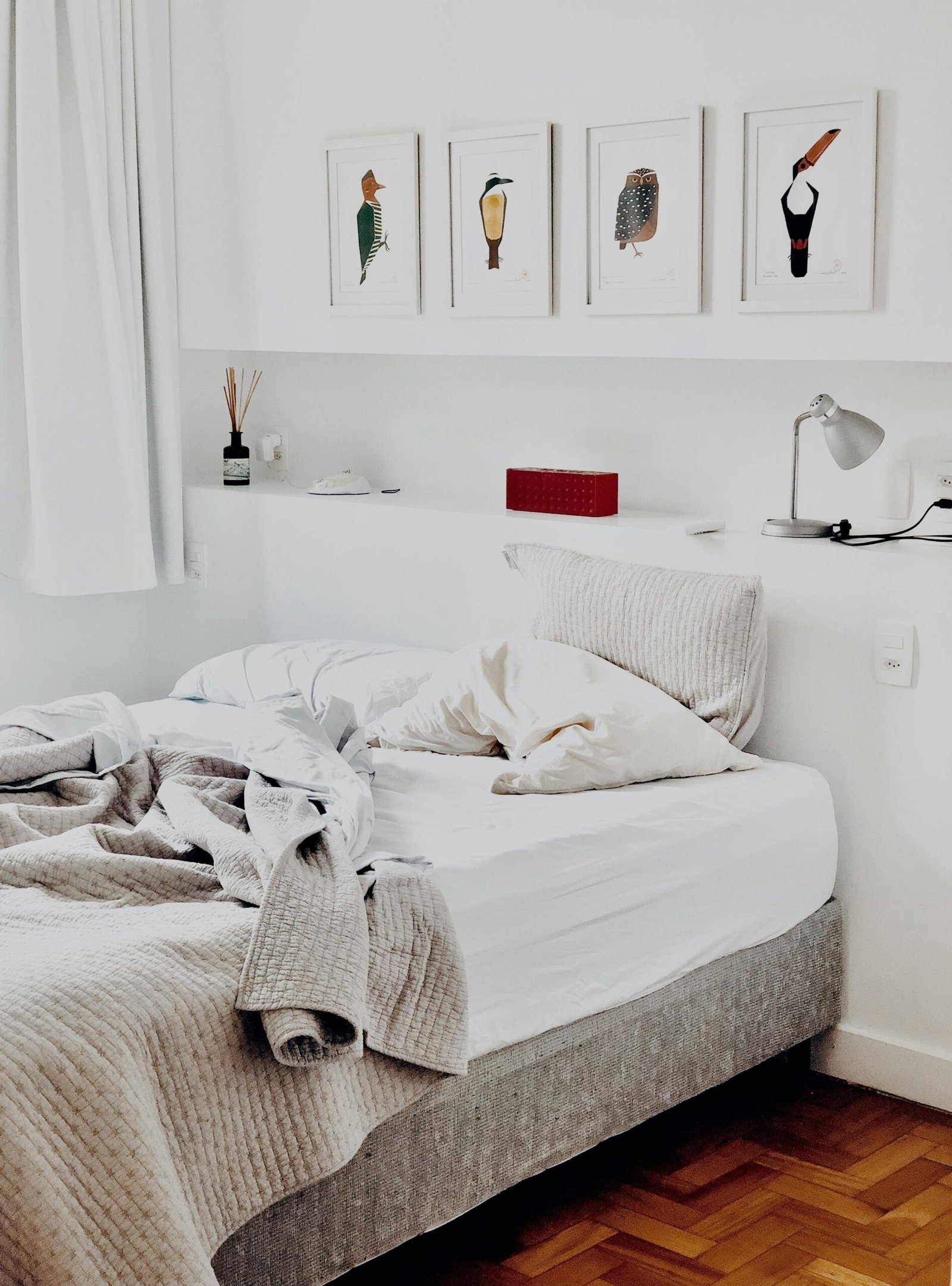
When a bedroom feels cluttered, the first instinct is often to buy more furniture. However, in a small space, this usually makes things worse. The good news is that you can organise a small bedroom without adding furniture at all.
With the right strategies, it’s possible to create a calmer, more functional bedroom using what you already have. This guide focuses on smart organisation, simple habits, and space-saving techniques that work in real homes.
Start With a Full Reset
Before organising anything, clear the space completely. This step is essential. Otherwise, clutter simply moves from one place to another.
Remove items from floors, surfaces, and drawers. Then, group similar items together. For example, place all clothes in one pile and all accessories in another.
This process makes it easier to see what you actually own. As a result, it becomes clear what needs to stay and what doesn’t.
Declutter Ruthlessly but Realistically
Decluttering is the most powerful way to organise a small bedroom. Without reducing excess items, no organisation system will work long term.
Ask yourself simple questions:
- Have I used this in the last year?
- Would I buy this again today?
- Does this item earn its space?
Be realistic rather than sentimental. In a small bedroom, space is valuable.
And and added bonus here is that you could sell any unused items. Vinted can be a great place to do this so unused clothes make you money.
Use Zones Instead of Storage Units
Instead of thinking in terms of furniture, think in terms of zones. Each area of the bedroom should have a clear purpose.
Common zones include:
- Sleeping zone
- Dressing zone
- Relaxing or reading zone
When every item has a designated zone, clutter is less likely to build up. Additionally, tidying becomes faster and easier.
Optimise What You Already Have
Often, existing storage is underused. Wardrobes, drawers, and shelves can usually hold more when organised properly.
Fold clothes vertically instead of stacking them. This improves visibility and prevents messy piles. Group similar items together so they are easier to find.
Small changes like this can dramatically increase usable space.
See here for more ideas on wardrobes and clothes storage.
Clear Surfaces to Create Visual Space
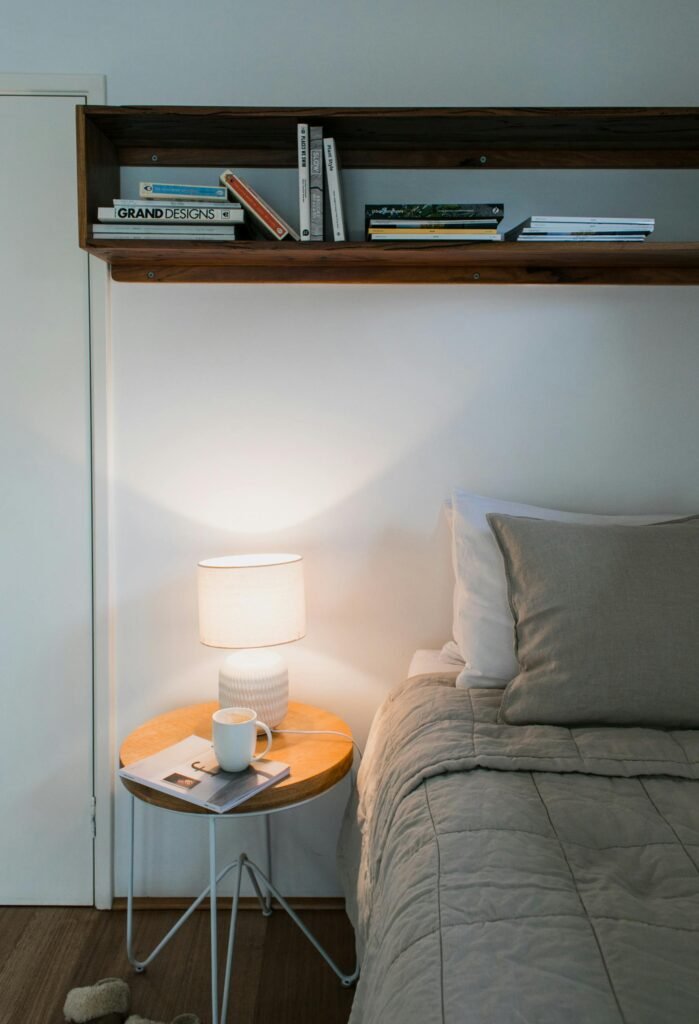
In small bedrooms, visual clutter can feel just as overwhelming as physical clutter. Therefore, keeping surfaces clear is crucial.
Limit bedside tables and dressers to only essential items. Lamps, books, and one decorative object are usually enough.
When surfaces are clear, the room instantly feels larger and calmer.
Rethink How You Store Clothes
Not all clothes need to live in the bedroom. Seasonal items, bulky coats, and rarely worn outfits can often be stored elsewhere.
Rotate clothing by season. This reduces overcrowding and makes daily choices simpler.
By storing less in the bedroom, you free up space without buying anything new.
Use Height and Walls Strategically
Even without adding furniture, walls can still help with organisation. Hooks and rails can keep items off the floor.
Use wall hooks for bags, hats, or robes. This keeps frequently used items accessible while reducing clutter.
Ensure wall storage is kept minimal. Too much can overwhelm a small room.
Create Simple Daily Habits
Organisation is not just about systems. It’s also about habits.
Spend five minutes each day resetting the room. Put clothes away, clear surfaces, and return items to their zones. Small daily actions can prevent clutter from building up again.
Because I hate tidying I try to do the tiniest bit each day so I don’t suddenly end up in a mess again after 5 days, although I am still shocked by how quick mess builds up.
Choose Calm Colours and Consistency
While this article avoids adding furniture, visual organisation still matters. Consistent colours and materials help create calm.
Neutral tones and simple textures work best in small bedrooms. They reduce visual noise and make the space feel intentional. But make sure they still fit your personality.
Final Thoughts on Organising a Small Bedroom
You don’t need more furniture to organise a small bedroom. Instead, you need clarity, consistency, and better use of what you already have.
By decluttering, zoning your space, and improving daily habits, your bedroom can feel larger and more peaceful. Most importantly, these changes are sustainable and cost nothing.
Small bedrooms work best when every item has a purpose. Once that happens, the space becomes easier to live in.