

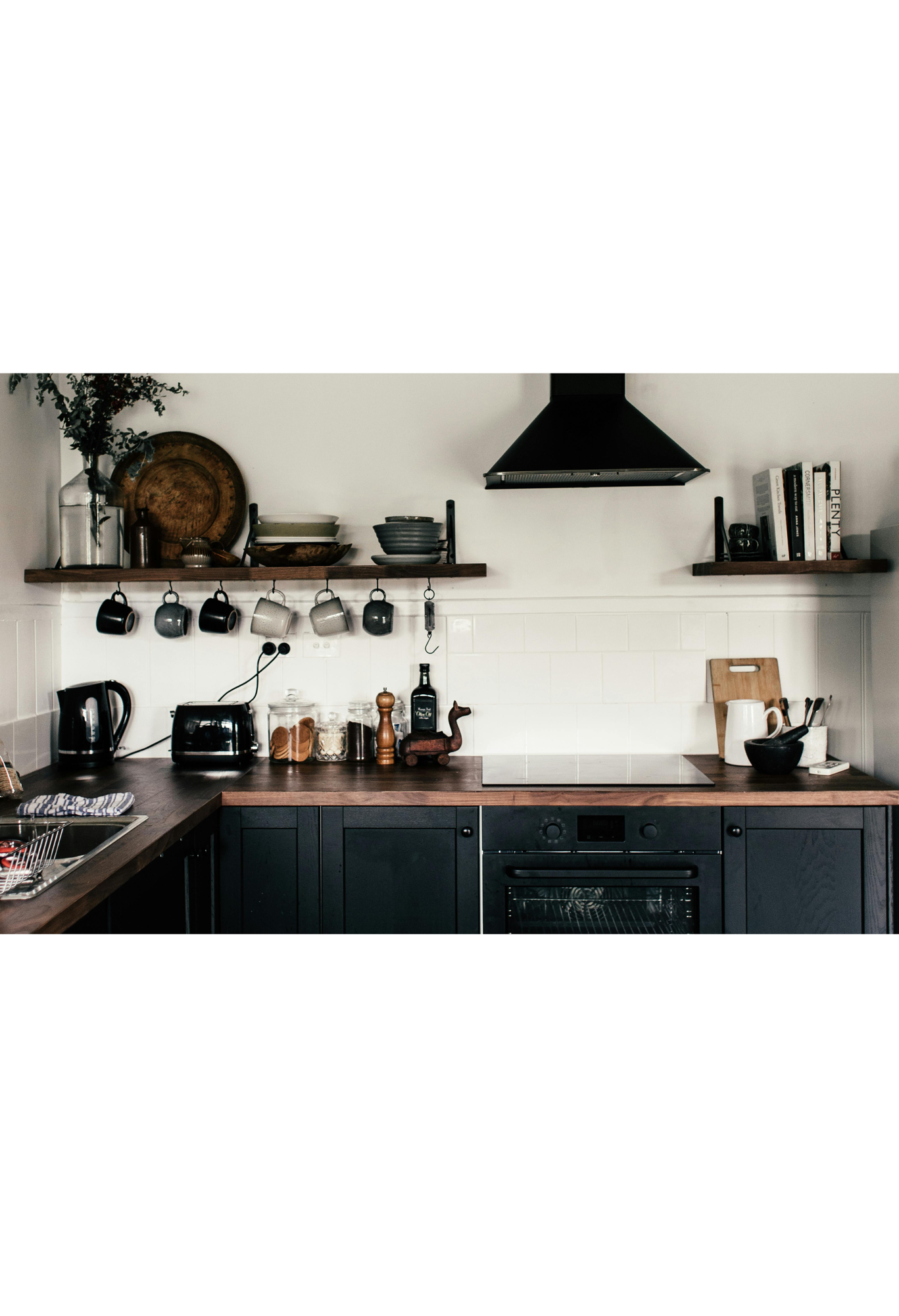
Small kitchens can be frustrating. I know this because I’ve lived with one for years. No matter how tidy you are, clutter appears overnight. One minute the worktop is clear. The next, it’s covered in appliances, jars, and random items you swear you use every day.
The good news is that small kitchens don’t need more cupboards or expensive renovations. What they really need is better organisation. In this guide, I’m sharing practical small kitchen storage ideas that make everyday life easier.
Start by Clearing the Worktops (I Always Do This First)
Whenever my kitchen starts to feel overwhelming, I always begin with the worktops. This one change instantly makes the space feel bigger.
I used to keep everything out “for convenience”. The kettle, toaster, coffee jars, oil bottles. However, I realised I was cleaning around clutter every single day.
Now, I only keep what I genuinely use daily on display. Everything else goes back into cupboards. As a result, the kitchen feels calmer and easier to use.
Use Kitchen Zones Instead of Random Storage
One mistake I made for years was storing items wherever they fit, rather than where they made sense. This led to constant frustration.
Instead, create simple zones (we have the same advice for bedrooms too):
- Cooking zone near the hob
- Prep zone near the main worktop
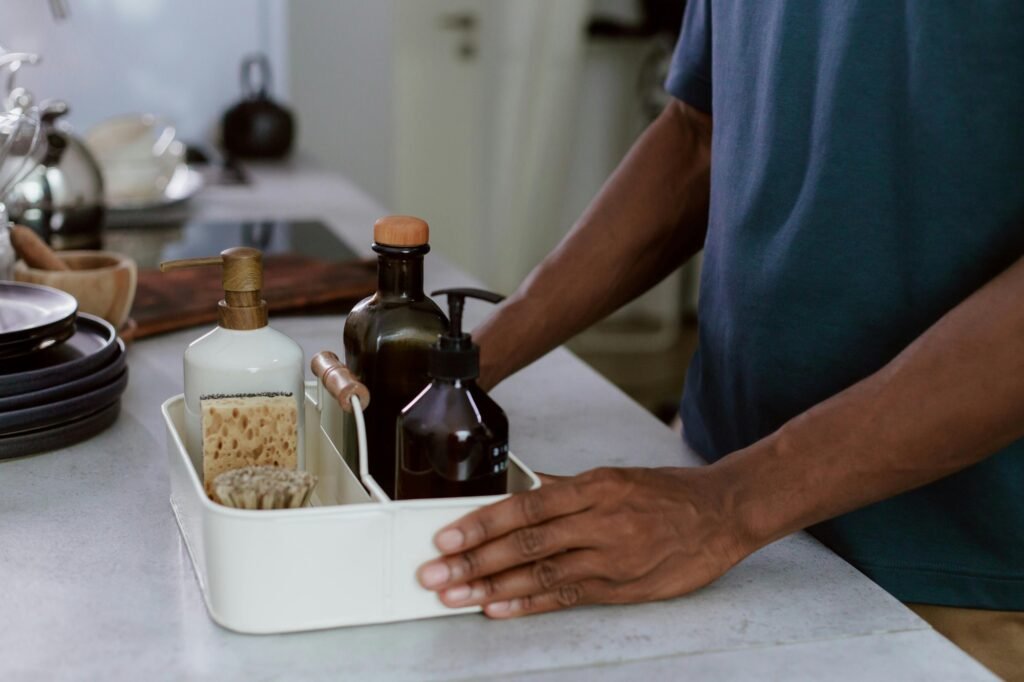
- Cleaning zone near the sink
Once items live near where they’re used, everything feels more intuitive. In addition, cooking becomes faster and less stressful.
Maximise Cabinet Space with Better Organisation
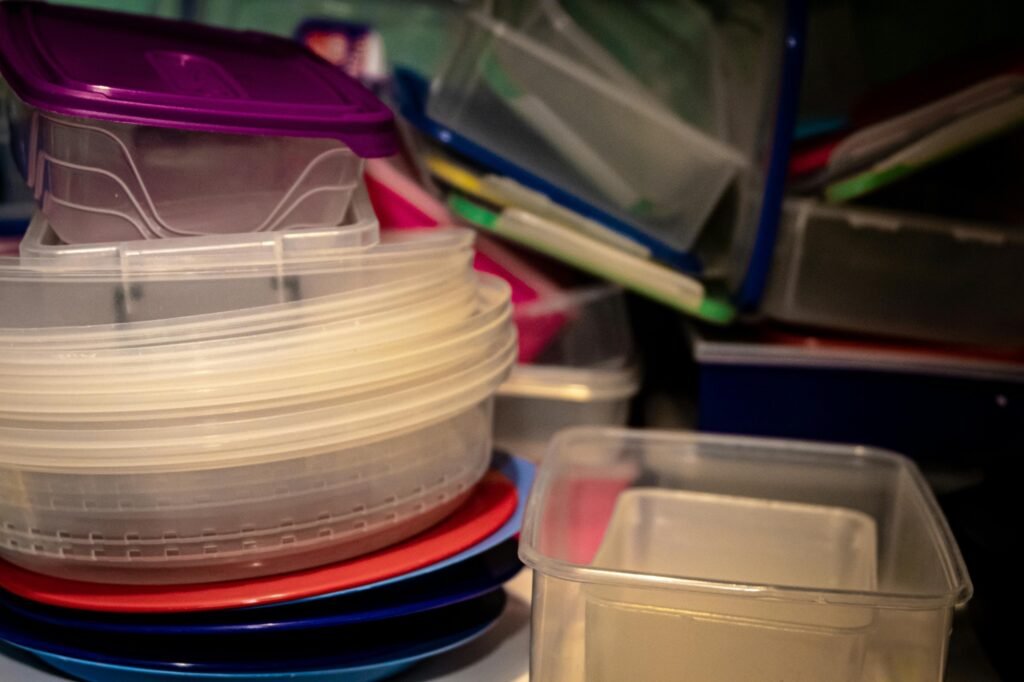
Cabinets in small kitchens often look full but hide a lot of wasted space. I always thought my cupboards were “just small” until I reorganised them properly.
Simple changes make a big difference:
- Stackable shelves for plates and bowls
- Clear containers for dry food
- Grouping similar items together
When everything has a visible place, you stop buying duplicates and wasting space (and money).
This article really helped me with this.
Store Items Vertically Wherever Possible
Vertical storage is one of the most underrated small kitchen storage ideas. I ignored this for years and stacked everything horizontally.
Plates, chopping boards, baking trays, and lids are all easier to store vertically. They take up less space and are easier to access.
Once I switched to vertical storage, my cupboards suddenly felt twice as big.
Make the Most of Drawer Space
Drawers can quickly become messy, especially in small kitchens. I always made the mistake of dumping utensils into one large drawer.
Now, I use simple dividers. Nothing fancy. Just enough separation to stop items sliding around.
This works especially well for:
- Cutlery
- Cooking utensils
- Small tools like peelers and scissors
Use Wall Space Without Overcrowding
Wall space can be helpful in small kitchens, but only when used carefully. Too much wall storage can make the room feel busy.
Hooks or rails work well for frequently used items. For example, mugs or utensils. Keep it minimal and intentional.
If something hasn’t been used in months, it probably doesn’t need to live on the wall.
Image suggestion: Minimal kitchen rail with a few hanging utensils
Declutter Regularly (I Learned This the Hard Way)
Kitchen clutter creeps up slowly. Free samples (why not right?), unused gadgets, chipped mugs. I always tell myself I might need them one day.
Now, I do a quick kitchen reset every few months. Anything unused or broken goes. This keeps storage working properly.
Decluttering regularly means you don’t need extra storage later.
Keep Similar Items Together
Grouping similar items is one of the simplest ways to stay organised. Oils with oils. Baking items together. Snacks in one place.
This reduces visual clutter and saves time. You always know where to look.
Final Thoughts on Small Kitchen Storage for Flats
Small kitchens don’t need to be perfect. They just need to work for you.
By clearing worktops, creating zones, using vertical space, and decluttering regularly, you can make a small kitchen feel easier to live with. Most importantly, these changes don’t require buying new furniture or renovating.
Sometimes, it’s the small shifts that make the biggest difference.